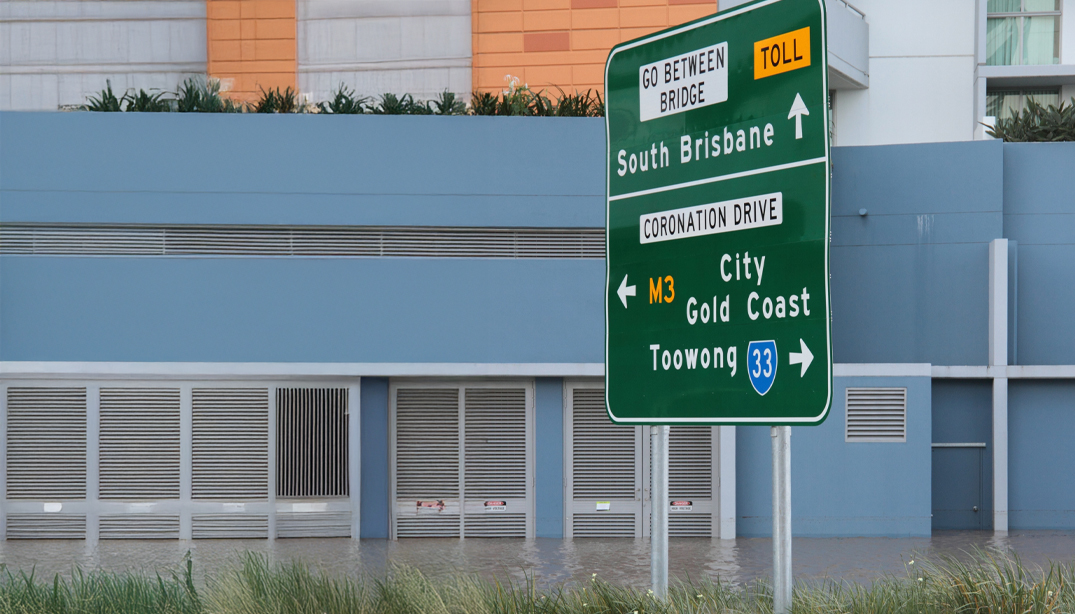
For rental fleet operators, business-as-usual can change in an instant. A sudden flood, a bushfire, or a major depot incident can halt operations, putting vehicles, customers, and revenue at risk. While insurance helps with recovery, a proactive Catastrophe Response Plan (CRP) is what keeps your business moving.
A strong CRP is more than an emergency contact list—it’s a strategic framework that should be regularly reviewed and understood by key personnel.
Essential components include:
· Asset & Customer Tracking: In a crisis,can you quickly locate every vehicle and confirm customer safety? Your CRP should outline systems (like GPS and communication apps) for real-time visibility of assets and rental agreements.
· Communication Protocols: How will you reach customers and staff if normal channels fail? Define a clear chain of command and backup communication methods to keep everyone informed.
· Business Continuity: Identify critical functions and create contingency plans. This might include rerouting vehicles, securing temporary depot space, or prioritising essential customer needs.
· Claims & Recovery Process: Ensure your team knows where policy documents are stored and the steps for lodging large-scale claims. Fast, accurate information is key to minimising downtime.
Planning for worst-case scenarios isn’t pessimistic—it’s smart risk management. A well-prepared CRP protects your fleet, your customers, and your reputation when disaster strikes.